Harvard Doctor Discovers the Toxic "Pancreatic Sludge" Blocking Your Metabolic Health — and the 4-Ingredient Honey Blend That Dissolves It in 21 Days
The real reason your energy and metabolic balance feel off has nothing to do with diet or willpower. A toxic buildup is silently suffocating your body's metabolic factories. Dr. William Lee's natural honey formula restores your body's own metabolic hormones by 312% — the same signals that expensive injections try to fake at over $1,000/month. One drop. No needles. No rebound.

New York Times Bestselling Author · TED Talk 15M+ views
Your Low Energy Isn't the Problem.
It's a Symptom of Something Far Worse.
Every American is exposed to over 80,000 synthetic chemicals per year — pesticides, microplastics, BPA, heavy metals. Once inside your body, they don't disappear. They accumulate, thicken, and form what researchers now call "pancreatic sludge" — a toxic buildup that suffocates the microscopic metabolic factories inside your pancreas. Popular medications don't touch it. Cutting carbs doesn't reach it. It just keeps building until your body's natural metabolic signals collapse.
Select Your Discount Package
Basic Offer
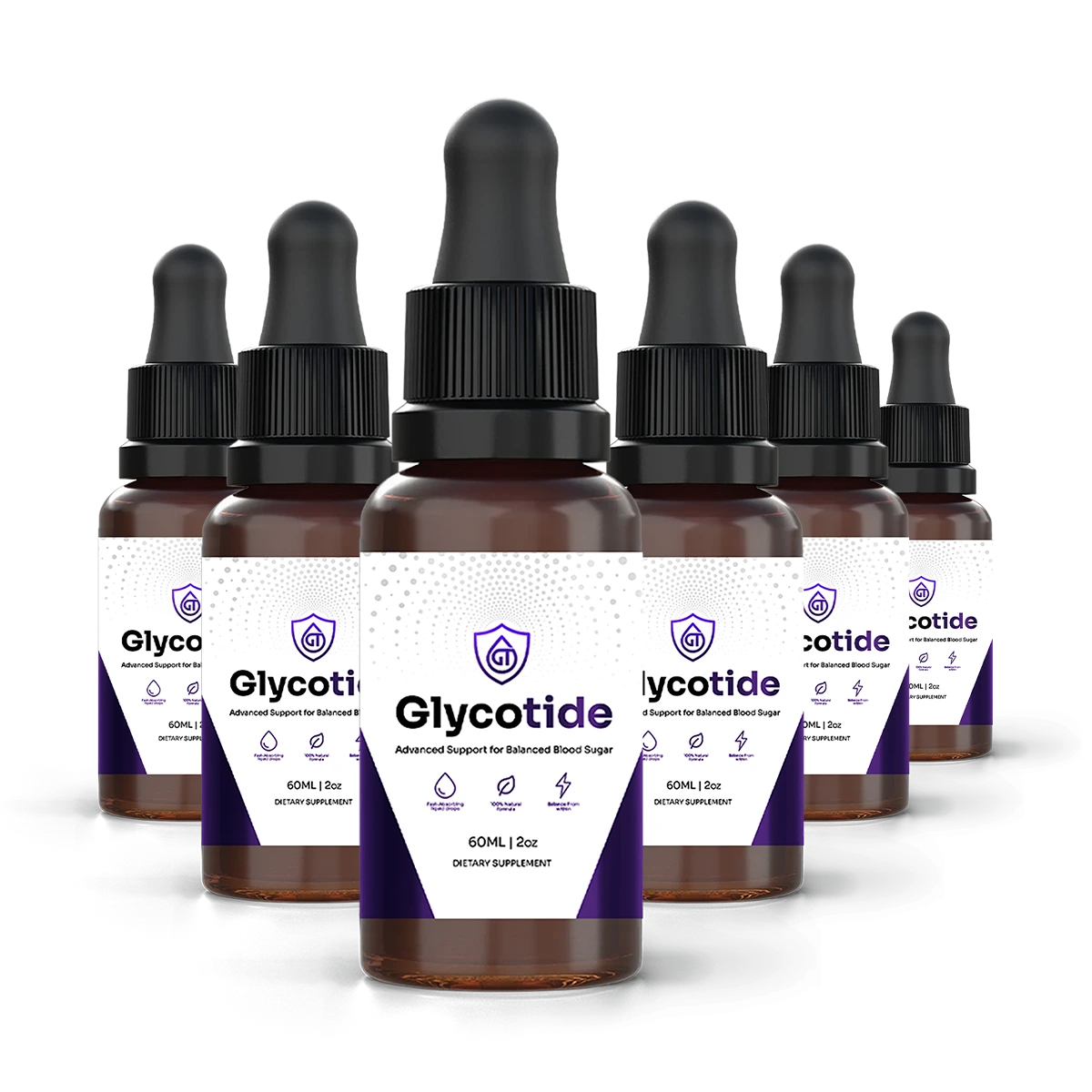
180 Day Supply · 6 Bottles
Most Popular
The Harvard Doctor Who Overturned 40 Years of Conventional Wellness Science
Dr. William Lee, M.D.
- 30+ years dedicated to understanding why the body turns against itself — and how to stop it
- TED Talk "Can We Eat to Starve Disease?" — over 15 million views
- #1 New York Times bestseller: Eat to Beat Disease — translated into 40 languages
- Adviser to the National Institutes of Health and the U.S. Department of Defense
- Led research that developed 40+ new wellness approaches
- Published in the Journal of Metabolic Health with a 1,632-participant clinical trial
"More than 90% of Americans over 50 have dangerous levels of toxic sludge in their pancreas right now. Most have no idea. And if they don't do something about it, the damage doesn't stop — it spreads. This discovery isn't in my book, it's not in my TED Talk, and it directly challenges almost everything conventional wellness advice still teaches about metabolic health."
Why Your Metabolic Balance Won't Improve
No Matter What You Do
Researchers finally discovered what was blocking the body's natural metabolic signaling — and it has nothing to do with what you eat or how hard you try.
❌ The Problem TOXIC SLUDGE
Environmental toxins — pesticides, microplastics, BPA, heavy metals — accumulate inside your pancreas, forming a thick layer of "pancreatic sludge" that coats your L cells (metabolic factories). This sludge blocks your body's natural hormonal signaling, triggers chronic inflammation, and prevents the production of the metabolic hormones your body needs. By age 50, your defenses weaken and sludge builds faster than your body can clear it. Result: energy that crashes after meals, constant cravings, crushing afternoon fatigue, and metabolic markers that keep worsening no matter what your doctor recommends.
✅ The Solution METABOLIC RESTORATION
Identical twin studies confirmed the missing variable: healthy twins had metabolic hormone levels 312% higher than their struggling siblings — same DNA, completely different outcomes. Bears produce exponentially more of these hormones than humans, which is why they consume enormous amounts before hibernation and wake up with perfect metabolic balance. The Glycotide formula restores your body's own production at the source — dissolving the sludge, reactivating your metabolic factories, and ending the cravings. No synthetic hormones. No dependency. Your body simply does what it was always designed to do.
The Natural Honey Blend That Dissolves the Sludge and Restores Metabolic Balance
Each compound targets a different layer of the problem. Together in exact clinical proportions with Japanese cold-extraction technology, they do what no conventional approach can replicate.
MGO (Methylglyoxal)
+312% metabolic hormones in 8 weeksRare compound found only in New Zealand Manuka honey. Instinctively sought by bears before hibernation. University of Copenhagen study: 312% increase in natural metabolic hormone production — tripled in 8 weeks, without needles or prescriptions. Dissolves pancreatic sludge, reduces cellular inflammation, and neutralizes environmental toxins with the antioxidant power of 3 lbs of blueberries.
Quercetin
Repairs metabolic factoriesThe "repair crew" that rebuilds what the sludge destroyed. A powerful flavonoid that protects and regenerates L cells — your pancreas's microscopic metabolic factories. Journal of Nutritional Biochemistry: 29% improvement in metabolic hormone production and energy balance in 12 weeks. Participants reported feeling "normal for the first time in years."
Pinocembrin
67% less pancreatic inflammationExtracted from bee propolis — the resin bees use to keep their hives sterile. Penetrates deep into the pancreas and reduces inflammation that has been silently affecting metabolic function for years. Seoul National University: 67% reduction in pancreatic inflammation markers in just 6 weeks. Works like a microscopic cleanup team clearing inflammatory debris.
Royal Jelly
40x longer cellular lifespanThe compound that turns an ordinary bee into a queen — giving her 40x the lifespan of a worker bee with identical DNA. In the same way, royal jelly activates genes that protect your metabolic factories from premature aging. It preserves what the formula rebuilds, ensuring the sludge doesn't return. Long-term protection for your pancreas's second chance.
Most supplements never reach your pancreas — stomach acid destroys them before they can work. Glycotide uses patented cold extraction technology developed for high-potency compounds, sealed in targeted-release drops that survive stomach acid intact. When they reach your gut — exactly where metabolic hormones are produced — the coating dissolves and delivers 100% of the formula directly into your system. Not degraded. Not destroyed. Not wasted.
From Struggling Every Day to Thriving in 12 Weeks
Margaret, a 67-year-old retired nurse from Texas, was one of the first to volunteer for the clinical trial. Despite following every recommendation from her doctor and taking multiple wellness supplements, her energy was low, her cravings were constant, and she felt like a burden to her own family.
Subtle shifts in cravings
Brain fog clears
Cravings lose their grip
Doctor asks what you're doing
Energy levels transformed
Why Popular Medications and Every "Metabolic Trick" Failed You
Common Oral Medications
The problem: Common oral metabolic medications work on blood sugar after it's already in your bloodstream — they never touch the source. The pancreatic sludge remains, your metabolic factories keep suffocating, and your doctor keeps adjusting the dose wondering why it's not working.
Expensive Injectable Drugs
The problem: Synthetic hormone replacements that substitute for your body's natural production instead of restoring it. Your body stops producing its own. When you stop: hormone levels crash to zero and the problems return harder than before — often worse. 67% of people who stop regain all the weight, frequently more.
Diet & Carb Cutting
The problem: The sludge doesn't care how hard you try. It doesn't reward discipline. It builds silently in the bodies of people who did everything right. And by the time you notice symptoms, it's already been suffocating your metabolic factories for years. Without clearing the sludge, even eating salad can cause energy crashes.
Glycotide vs. Everything Else
A direct look at how Glycotide's natural metabolic restoration stacks up against the alternatives most people are stuck with.
| Feature |
|
Popular Medications | Generic Supplements | Diet & Exercise Alone |
|---|---|---|---|---|
| Dissolves pancreatic sludge at source | ✓ Yes (MGO + Pinocembrin) | ✗ Works only on symptoms | ✗ No clinical proof | ✗ No |
| Restores natural metabolic hormone production | ✓ +312% in 8 weeks | ✗ Synthetic replacement only | ✗ No | ✗ No |
| Risk of rebound / dependency | ✓ Zero — natural restoration | ✗ Severe rebound when stopped | ✗ Often ineffective | ✗ Very common |
| Side effects | ✓ None reported in trials | ✗ Nausea, digestive issues, nutrient depletion | ✗ Varies | ✓ None |
| Monthly cost | ✓ Under $50/bottle | ✗ $1,000–$16,000/year | ✗ $30–$100 with no proof | ✓ Low |
| Clinically validated (1,632 participants) | ✓ Yes — Journal of Metabolic Health | ✓ Yes — with significant side effect profile | ✗ No | ✗ No controlled study |
What Happens When 4,847 Americans Finally Treat the Root Cause
"I almost didn't order Glycotide. I tried so many things — supplements that did nothing, diets that made me miserable. I was done believing anything could work. But my daughter begged me. 60 days later, my metabolic markers improved dramatically. My doctor ran the test twice. No mistake. I spent 26 years thinking I was stuck. Turns out I was just stuck with the wrong solution."
"Before Glycotide, my energy was shot. Couldn't play with my grandkids without needing to sit down. Couldn't get through dinner without checking on myself. 8 weeks in, my doctor was impressed with my progress. At 12 weeks the transformation was complete. Last Sunday I took my grandson fishing. We were out there for 6 hours. He got tired before I did. That's not a supplement. That's a second chance."
"For 11 years I followed every rule. Watched every carb. Took every pill. And every appointment my doctor looked disappointed. 6 weeks on Dr. Lee's formula and the same doctor looked at my numbers and asked: what are you doing differently? I just smiled. My energy is back. My cravings are gone. I'm not afraid to check in with myself anymore."
What Happens Inside Your Body
When You Start Glycotide
Days 1–7
MGO begins penetrating the pancreatic lining, dissolving the first layers of sludge. You may notice subtle changes — a craving that doesn't hit quite as hard at 3pm, a meal that doesn't knock you out the way it usually does. Little whispers that something is shifting.
Weeks 2–4
Quercetin rebuilds your metabolic factories. Pinocembrin clears chronic inflammation. The afternoon exhaustion starts to lift. Brain fog thins. The cravings lose their grip — not because you're fighting harder, but because your body finally has the metabolic signals it needs. You eat a meal. You feel satisfied. Peace.
Weeks 8–12
You walk into your doctor's office. They look at your chart. Then they look at you. "What have you been doing?" Not accusation — genuine curiosity. Your markers are improving. The trajectory that was pointing toward trouble for years is reversing. And you see something in their eyes you haven't seen in a long time: respect.
What a 35-Year Veteran of Metabolic Research Saw That Changed His Mind
"Dr. William Lee was the first to tell me about this natural honey blend. I was skeptical. After 35 years in this field, I've heard a lot of promises. But what changed my mind wasn't the data alone. It was what I saw with my own eyes. People with severely compromised metabolic health — cases I thought were beyond recovery. One man had been struggling for years and doctors were talking about serious interventions. Weeks later, he was off everything. That 68-year-old man who could barely walk sent Dr. Lee a video of himself playing golf with his grandchildren. I watched that video three times because I couldn't believe what I was seeing."
Discoverer of fat-induced metabolic resistance mechanism
Order Today & Get $164 Worth of Bonuses — Completely Free
The Metabolic Health Kitchen
47 delicious recipes specifically designed to support healthy metabolic balance — breakfasts, lunches, dinners and desserts proven to fight inflammation, support your body's natural hormone production, and accelerate your results. Certified by top nutritionists.
The Metabolic Balance Blueprint
Discover the simple daily habits that keep your energy and metabolic health rock solid, the warning signs to watch for, and the lifestyle tweaks that multiply your results. Easy-to-follow action guides you can start using right away to speed up your transformation.
100% Satisfaction or Every Penny Back
Try Glycotide completely risk-free for 60 full days. If you don't experience a dramatic improvement in your energy, metabolic balance, and freedom from cravings, just send an email and receive a complete refund — no hassle, no annoying red tape. In all our years, not a single customer has been dissatisfied with the formula. You won't be the first. Today, you're not giving a "yes" — just a "maybe."
Claim My Risk-Free Package →Select Your Discount Package
Basic Offer
180 Day Supply · 6 Bottles
Most Popular